

Signs of Anxiety in Children: Normal Worry or Something More?

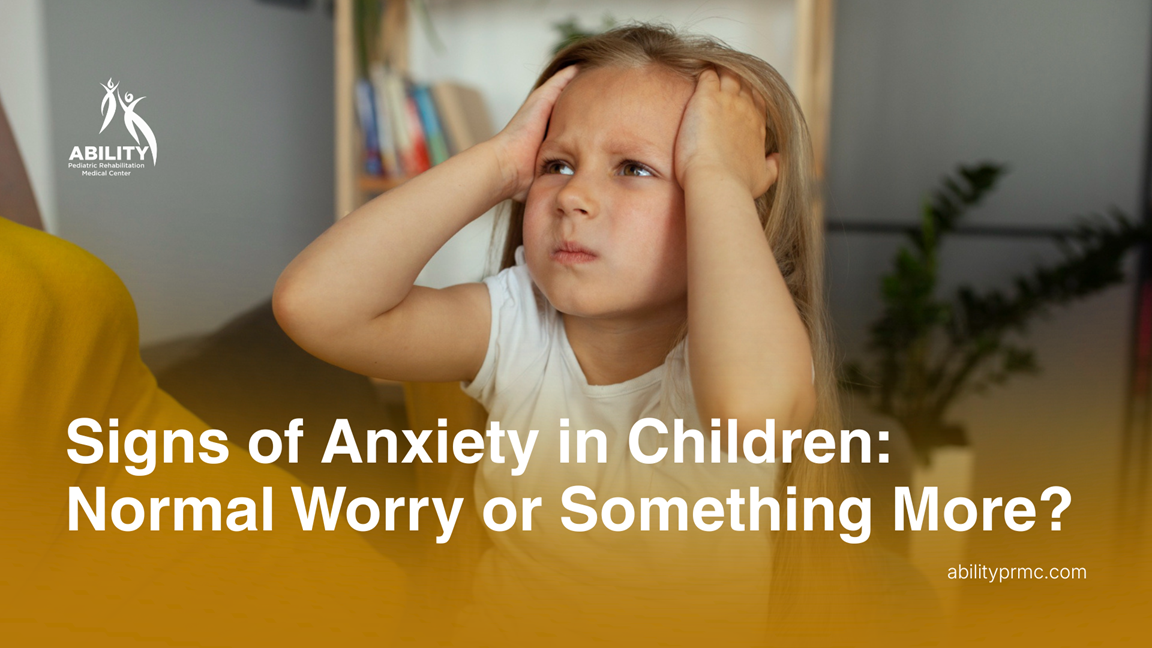
Every child worries sometimes — about the dark, a test, a new class, what other children think of them. Worry is a normal, even useful, part of growing up. But for some children, worry stops being occasional and starts running the show: avoiding school, refusing sleepovers, complaining of tummy aches every morning. Knowing the signs of anxiety in children — and where the line sits between ordinary childhood worry and something that needs support — helps you respond in the way that actually helps.
| Quick answer Normal childhood worry is temporary, tied to a specific situation, and eases once the situation passes or a trusted adult reassures the child. Anxiety becomes a concern when it is persistent, out of proportion to the actual situation, and starts interfering with daily life — through avoidance of places, people or activities, or through physical symptoms like stomachaches and sleep trouble that have no medical cause. The two clearest red flags are avoidance and extreme distress. Childhood anxiety is highly treatable, most often with a talking therapy called CBT, and earlier support tends to work better. |
Worry is normal — and changes with age
What children worry about shifts predictably as they grow, and almost all of it is developmentally typical:
| Age | Common, typical worries |
| Toddlers | Separation from a parent; loud noises; strangers |
| Preschoolers | The dark; monsters under the bed; specific animals |
| School age | Academic performance; friendships and social acceptance; real-world events they’ve heard about |
| Pre-teens & teens | Exams and performance; body image; fitting in socially |
These worries usually come and go. A child might be nervous before a test and relieved once it’s over; anxious about a thunderstorm and calmed by a hug. Typical worry does not, on the whole, stop a child from going to school, playing with friends, or joining in.
The two questions that matter most
Rather than a long checklist, clinicians tend to come back to two core questions when deciding whether worry has tipped into something more.
- Is my child avoiding things because of it? Skipping school, refusing playdates, avoiding activities they used to enjoy, needing to sleep in your bed every night — avoidance is one of the clearest signals that worry has become a bigger problem.
- Is the distress out of proportion, and does reassurance not help? Typical worry responds, at least somewhat, to comfort and explanation. Anxiety often does not — a child remains distressed even after being reassured many times, because the worry is not really about logic.
If the answer to either is consistently yes, it is worth a closer look.
Signs to watch for
Anxiety in children shows up emotionally, physically and behaviourally — and because children, especially younger ones, often cannot name what they are feeling, it frequently appears as something else entirely.
Emotional and behavioural signs
- Persistent, excessive worry about things that seem unlikely or minor.
- Avoiding certain places, people, activities or situations.
- Seeking constant reassurance, and remaining anxious even after receiving it.
- Difficulty separating from a parent, beyond what is typical for their age.
- Irritability, tearfulness or meltdowns that seem tied to worry rather than defiance.
- Perfectionism, or an intense fear of making mistakes.
- Social withdrawal, or reluctance to join group activities.
Physical signs
- Frequent headaches or stomachaches with no medical cause.
- Trouble falling or staying asleep; nightmares; needing to sleep with a parent.
- Changes in appetite.
- Restlessness, muscle tension, or appearing constantly ‘on edge’.
- Fatigue that doesn’t match their activity level.
| Why physical symptoms matter so much: children are often better at feeling anxiety in their body than naming it in words. A child with recurring, medically unexplained stomachaches — especially on school mornings — is frequently telling you something important, even if they can’t say “I’m anxious” out loud. |
Quiet children get missed
Anxiety does not always look dramatic. Some anxious children are the quiet, compliant, high-achieving ones — rarely disruptive, often praised for being “easy” — who are working very hard inside to hold everything together. A child who seems fine at school but falls apart the moment they get home may be masking anxiety all day rather than managing it. If a normally cheerful child becomes withdrawn, easily overwhelmed, or unusually clingy, it is worth paying attention even without an obvious trigger.
What helps at home
How you respond shapes how your child learns to relate to their own worry — for better or worse.
- Validate the feeling, not the fear’s logic. “I can see you’re really worried about this” lands better than “there’s nothing to worry about” — even when you’re right that there isn’t.
- Stay calm yourself. Children pick up on parental anxiety quickly. Your steadiness is genuinely reassuring, even when you don’t feel steady inside.
- Encourage gradual facing of fears, not avoidance. Avoidance feels protective but reliably strengthens anxiety over time. Small, manageable steps towards a feared situation — with your support — build genuine confidence.
- Don’t over-reassure or over-explain. Repeated, lengthy reassurance can accidentally reinforce the worry loop. A calm, brief response is usually more effective than a long negotiation.
- Keep routines predictable. Predictability is genuinely calming for an anxious nervous system.
- Model healthy coping. Children learn a great deal from watching how the adults around them handle their own stress.
| A trap worth knowing: letting a child avoid what they fear brings short-term relief but tends to make the anxiety bigger over time, because the child never learns the fear was manageable. Gentle, gradual exposure — not force, not avoidance — is what actually reduces anxiety. |
When to seek professional support
Occasional worry rarely needs intervention. Consider seeking support if your child’s anxiety:
- Is persistent — present most days for several weeks or more.
- Involves consistent avoidance of school, friends, or activities they used to enjoy.
- Comes with frequent physical symptoms that a doctor has not found a medical cause for.
- Disrupts sleep, eating or family life regularly.
- Does not improve, or improves only briefly, with your reassurance and support.
- Involves your child expressing hopelessness, or seems tangled up with low mood.
Seeking help is not an overreaction — it is a proportionate response to a genuinely treatable difficulty, and earlier support tends to work better and faster.
How professional support helps
A thorough psychological support assessment looks at when the anxiety started, what triggers it, how it affects daily life, and whether anything else — sleep, school, health — is contributing. The most well-evidenced treatment for childhood anxiety is cognitive behavioural therapy (CBT), which teaches children to notice anxious thoughts, understand the link between thoughts, feelings and behaviour, and gradually and safely face their fears rather than avoid them. For younger children, parent training is often woven in, since parents play a central role in either reinforcing avoidance or supporting brave steps forward.
How we support families in Abu Dhabi
Ability Pediatric Rehabilitation Medical Center is a CARF-accredited, MOH-licensed child development centre in Abu Dhabi. Our clinical psychology team assesses and supports children experiencing anxiety, using evidence-based approaches tailored to your child’s age, and works closely with families — in Arabic and English — so strategies carry through to daily life.
http://contactIf your child’s worries seem to be taking over more than they should, book a consultation and we will help you understand what is going on and how to help.
Frequently asked questions
How do I know if my child’s worry is normal or anxiety?
Normal worry is temporary, tied to a specific situation, and eases with time or reassurance. It becomes a concern when it is persistent, out of proportion to the situation, and starts causing avoidance of school, friends or activities, or comes with ongoing physical symptoms.
What are the physical signs of anxiety in children?
Frequent stomachaches or headaches with no medical cause, sleep difficulties, changes in appetite, restlessness and fatigue are all common. Children often feel anxiety in their body before they can put it into words, so physical complaints — especially on school mornings — are worth paying attention to.
Can a quiet, well-behaved child still be anxious?
Yes. Some anxious children are the quiet, compliant ones who mask their worry well outside the home, particularly at school, then release it once they feel safe — often with parents. A child who seems fine at school but falls apart at home may still be struggling.
Should I let my child avoid what makes them anxious?
Generally, no. Avoidance brings short-term relief but tends to strengthen anxiety over time, because the child never learns the situation was manageable. Gentle, gradual, supported steps towards a feared situation work better than either avoidance or force.
What is the best treatment for childhood anxiety?
Cognitive behavioural therapy (CBT) has the strongest evidence base. It teaches children to notice anxious thoughts and gradually face their fears in a safe, structured way. For younger children, parent involvement is usually a central part of treatment.
At what age can children be diagnosed with an anxiety disorder?
Anxiety disorders can appear at any age, including in young children, though they are most commonly identified around the school-age years and into adolescence. A thorough assessment considers your child’s developmental stage rather than applying a fixed age cutoff.
When should I seek help for my child’s anxiety?
If worry is persistent over several weeks, causes consistent avoidance of school or activities, comes with unexplained physical symptoms, disrupts sleep or family life, or doesn’t ease with your reassurance, it is a reasonable time to seek a professional assessment.
Sources
Write a Comment