
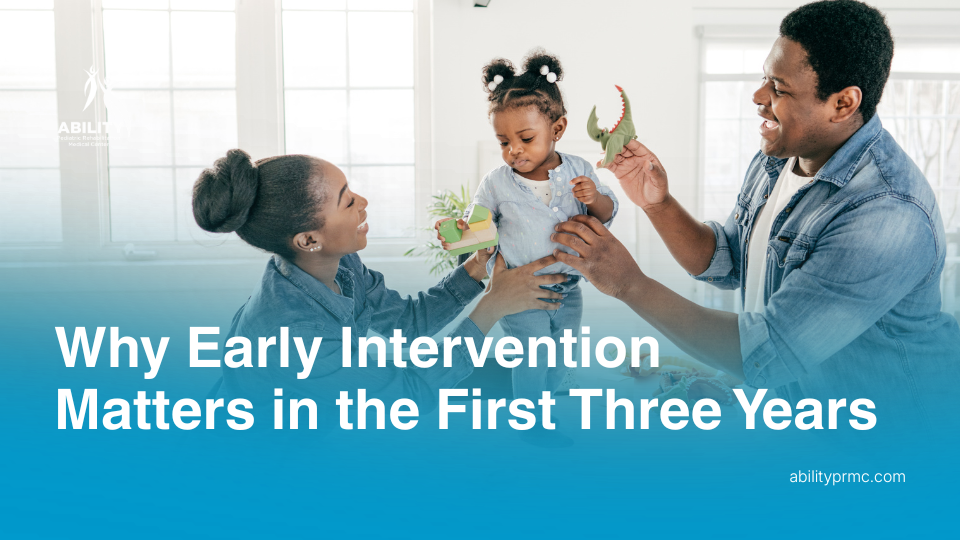
Why Early Intervention Matters in the First Three Years

“Let’s wait and see.” It is the most natural response in the world when a parent raises a worry about their child’s development — and it is the decision parents most often come to regret. Understanding the importance of early intervention is really about understanding one simple fact of biology: the first few years of a child’s life are a window when support works better than it ever will again. This article explains why that is, what the evidence does and does not show, and why acting early rarely costs anything but so often gains a great deal. Quick answer …
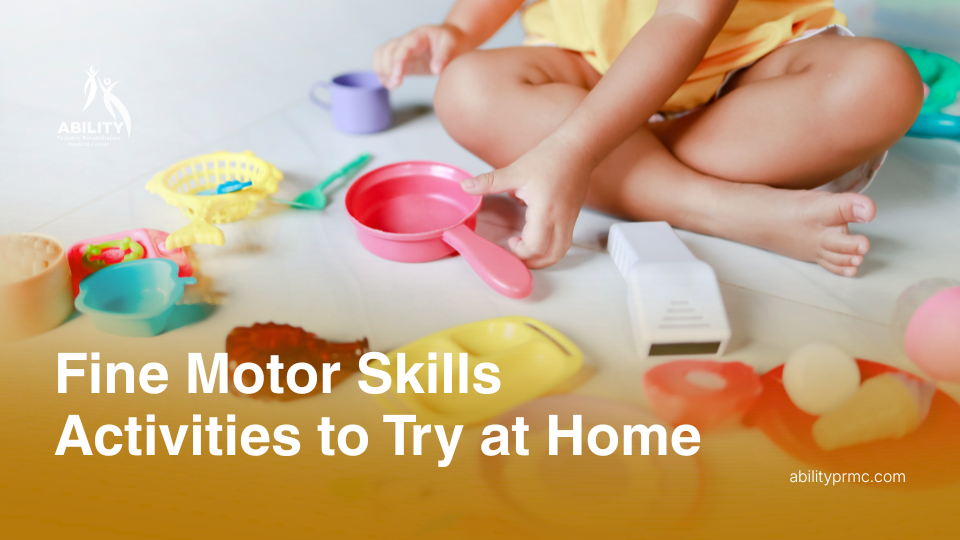
Fine Motor Skills Activities to Try at Home
Every time your child picks up a raisin, holds a crayon, does up a button or turns a page, they are using fine motor skills — the small, precise movements of the hands and fingers. These skills underpin an enormous amount of everyday independence, from feeding and dressing to, later, holding a pencil at school. The good news is that they develop beautifully through ordinary play. Here are simple, effective fine motor skills activities for toddlers you can do at home with things you already own — plus how to know when a little extra help would be worthwhile. Quick …
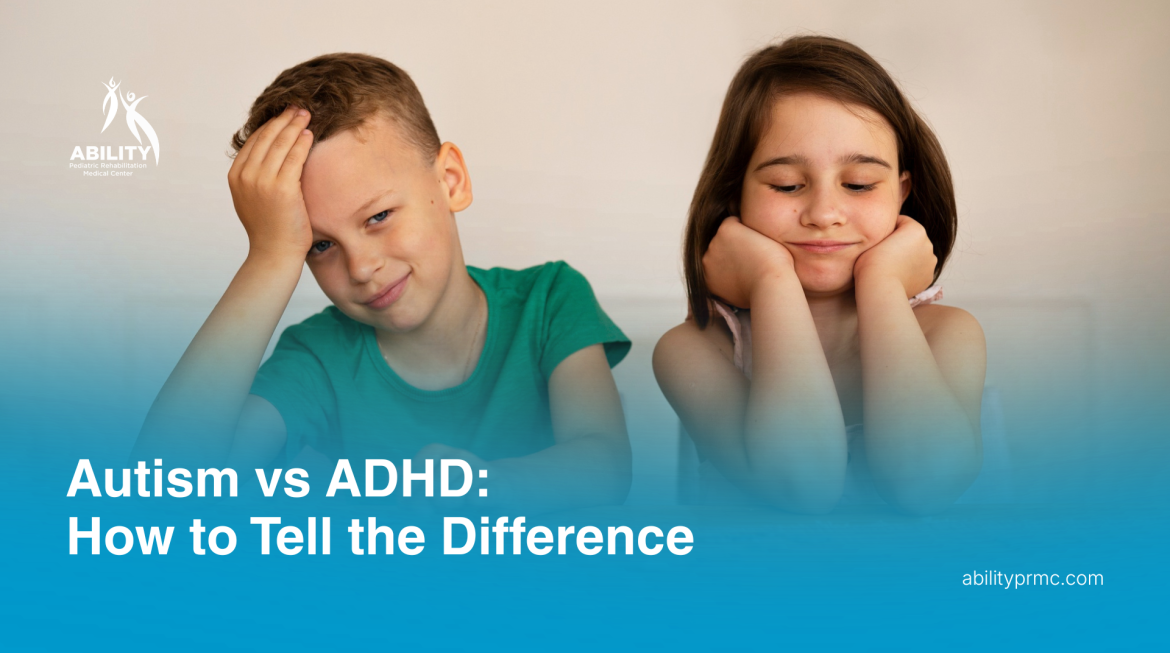
Autism vs ADHD: How to Tell the Difference
A child who does not respond when you call their name. A child who cannot sit still, interrupts constantly, and seems to struggle socially. Depending on which article you read, those descriptions could point to autism or to ADHD — and this is exactly why so many parents end up confused. The two conditions genuinely overlap, they are frequently mistaken for one another, and — the part most articles leave out — they very often occur together. This guide explains autism vs ADHD in children: how they differ, where they overlap, and how a proper assessment tells them apart. Quick …
Signs of ADHD in Children vs Normal Behaviour
All young children are energetic. All young children lose focus, interrupt, fidget and forget what you just asked them to do. So how do you tell ordinary childhood from something that needs support? Understanding the signs of ADHD in children — and, just as importantly, what separates them from typical behaviour — helps you decide whether an assessment is worth pursuing, rather than either worrying unnecessarily or missing something that could be helped. Quick answer The signs of ADHD in children fall into two groups: inattention (easily distracted, does not seem to listen, loses things, avoids sustained mental effort) and …
Popular Posts

What to Expect at Your Child’s First Therapy Session

How to Choose a Child Therapy Centre in Abu Dhabi

Toe Walking in Children: When Is It Normal, and When to Check?