

What to Expect at Your Child’s First Therapy Session

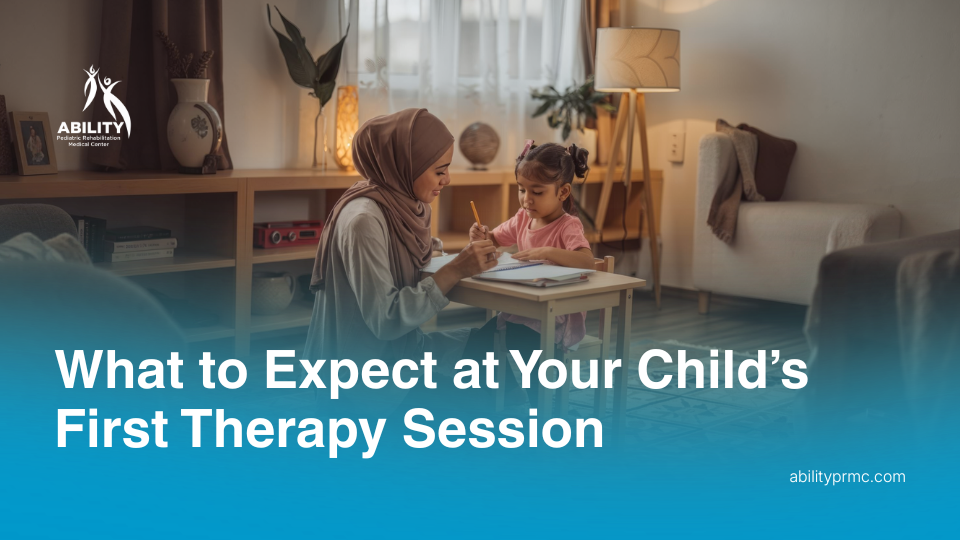
You’ve booked the appointment — and now the nerves set in. Will my child cooperate? Will they be upset? Will I be judged? If you are wondering what to expect at the first therapy session, the reassuring news is that it is almost always gentler and more relaxed than parents imagine. The first visit is mostly about getting to know your child, and — for a young child — usually feels like play. Here is exactly how it tends to unfold, so you can walk in prepared and calm.
| Quick answer Your child’s first therapy session is usually an assessment, not treatment. The therapist gathers your child’s history from you, observes your child — often through play — and may use structured activities or questionnaires to understand their strengths and needs. It is relaxed and child-led, there are no ‘right answers’ for your child to get wrong, and you are involved throughout. Afterwards, the therapist explains what they found and discusses a plan. Bring any reports, a list of your concerns, and a favourite comfort item for your child. |
The first session is an assessment, not treatment
This surprises many parents. The first appointment is rarely about “fixing” anything — it is about understanding your child. The therapist needs a clear picture of your child’s strengths, challenges, and how they communicate, move, play and interact before any meaningful plan can be made. Think of it as the foundation everything else is built on.
Because it is about understanding rather than performance, there is nothing your child can get “wrong”. The therapist is not testing them in the way a school exam does; they are observing how your child does what they naturally do.
What usually happens, step by step
Every centre differs slightly and sessions are tailored to the child, but most first appointments follow a similar shape.
- A conversation with you. The therapist will ask about your child’s history — pregnancy and birth, milestones, health, behaviour, what they are like at home and nursery, and your specific concerns. You are the expert on your child, and this information is invaluable.
- Observation of your child. Often through play. The therapist watches how your child explores, communicates, moves and responds — gathering a great deal from what looks like ordinary playtime.
- Structured activities, if appropriate. Depending on the type of therapy, the therapist may invite your child to do specific play-based tasks — naming pictures, stacking, drawing, following simple instructions — to assess particular skills.
- Questionnaires or standardised tools. You (and sometimes your child’s teacher) may be asked to complete questionnaires that help build an objective picture.
- A first conversation about findings. The therapist will usually share initial impressions and talk with you about possible next steps. A full written report and detailed plan may follow after they have reviewed everything.
How to prepare — for your child and yourself
A little preparation makes the day smoother for everyone.
Practical things to bring
- Any previous reports, assessments or referral letters.
- A list of your main concerns and questions — it is easy to forget them in the moment.
- A note of your child’s milestones and any health information.
- Your insurance details, if relevant.
- A favourite toy, comfort item or snack for your child.
- For a bilingual child, a sense of which languages they hear and use, and how much.
Preparing your child
How much to say depends on their age, but a few principles help across the board:
- Keep it simple and positive. For a young child: “We’re going to visit someone who has lots of fun toys and games to play with.”
- Avoid loading it with worry. Children read our anxiety. If you are calm and matter-of-fact, they are more likely to be too.
- Don’t over-prepare. There is no need to rehearse or “get them ready” to perform — the therapist wants to see your child as they naturally are.
- Time it well. Where you can, choose a slot when your child is usually rested and fed, not right before a nap or at the end of a long day.
| If your child gets upset, that’s okay: therapists work with children every day and have seen every reaction. Tears, shyness or refusing to join in are all completely normal and genuinely useful information — not a failed session. You will not be judged, and neither will your child. |
Your role during the session
You are not a bystander. Depending on your child’s age and the type of therapy, you may be in the room throughout — especially with younger children, where your presence helps them feel safe. The therapist may ask you to interact with your child so they can observe your natural dynamic, or may ask you to step back so they can see how your child manages independently. Follow their lead, answer their questions honestly, and don’t feel you need to make your child “behave” or perform. Honest is more useful than polished.
What happens after the first session
Once the assessment is complete, the therapist puts together their findings. You can usually expect a clear explanation of what they observed, whether therapy is recommended, and if so, what kind and how often. For an early intervention plan this might combine more than one therapy; for a focused concern it might be a single service such as speech and language therapy or occupational therapy.
A good therapist will set goals with you — specific and meaningful ones — and explain how progress will be measured and shared. This is also your moment to ask anything: how long therapy might last, what you can do at home, how sessions will run, and how insurance works. There are no silly questions.
A few reassurances to end on
- The first session is low-pressure by design — it is about understanding, not testing.
- Therapists are specialists in putting children at ease; a reluctant or tearful child is routine for them.
- You know your child best, and your input shapes everything that follows.
- Starting is the hard part. Most parents leave the first session feeling relieved they came.
Getting started at APRMC
Ability Pediatric Rehabilitation Medical Center is a CARF-accredited, MOH-licensed child development centre in Abu Dhabi. Our therapists specialise in making children feel comfortable, work in Arabic and English, and involve you as a partner from the very first visit. Whether your child needs behaviour intervention, speech, occupational therapy or a coordinated early intervention plan, we begin by getting to know your child properly.
If you are still weighing up providers, our guide to choosing a centre may help. When you are ready, book an assessment and we will take good care of your child — and of you.
Frequently asked questions
What happens at a child’s first therapy session?
It is usually an assessment rather than treatment. The therapist gathers your child’s history from you, observes your child — often through play — and may use structured activities or questionnaires. Afterwards they explain what they found and discuss a possible plan.
How should I prepare my child for their first therapy session?
Keep it simple and positive — describe it as visiting someone with fun toys and games. Stay calm, as children pick up on anxiety, and don’t over-rehearse; the therapist wants to see your child as they naturally are. Aim for a time when your child is rested and fed.
What should I bring to the first appointment?
Any previous reports or referral letters, a list of your concerns and questions, notes on your child’s milestones and health, insurance details if relevant, and a favourite toy or comfort item for your child.
Will I be in the room with my child?
Often yes, especially with younger children, because your presence helps them feel safe. The therapist may ask you to interact with your child, or to step back so they can observe independence. They will guide you.
What if my child cries or won’t cooperate?
That is completely normal and the therapist will have seen it many times. Tears, shyness or refusing to join in are useful information, not a failed session. You and your child will not be judged.
How long until we know if my child needs therapy?
The therapist often shares initial impressions at the end of the first session, with a fuller written report and plan to follow once they have reviewed everything. They will explain recommended next steps, including type and frequency of therapy.
Is the first session treatment or assessment?
Almost always assessment. Understanding your child’s strengths and needs comes first, because it is the foundation for any effective, individualised therapy plan.
Sources
Write a Comment